Services — Livewire + Alpine.js
Interactive Laravel apps without SPA complexity
Not every Laravel application needs a separate React or Vue SPA. With Livewire I build interactive interfaces directly in Blade, with server-side state instead of a separate API layer, and Alpine.js for the small client-side interactions that don't justify a full framework. The result: fewer moving parts, less maintenance, and a team that only needs to know one language (PHP) to understand the entire application.
Why Laravel Livewire + Alpine.js
One language for the whole application
No separate JavaScript frontend with its own build pipeline, state management and API contract: everything stays PHP and Blade, which greatly simplifies handover to another team.
Faster to build than a separate SPA
No duplicate validation logic, no serializers, no API versioning. A form or dashboard that would take weeks with an SPA approach often ships in days with Livewire.
Pairs perfectly with Filament
Filament (the admin panel framework I use extensively) is itself built on Livewire, so admin environments and client-facing interfaces share the same technical foundation.
Alpine.js for what genuinely needs to be client-side
Dropdowns, modals, tabs and small animations: Alpine.js handles these with a few lines of HTML attributes, without a build step or framework overhead.
What I build
- Interactive dashboards and client portals in Livewire
- Filament admin panels (themselves built on Livewire)
- Real-time updates and forms without a separate API
- Alpine.js for micro-interactions and UI state
- Migration from a heavy SPA setup to Livewire
- Maintenance with minimal technical debt
Sound like your project?
From first conversation to launch, I'd love to think along on your project around Laravel Livewire + Alpine.js.
Related projects
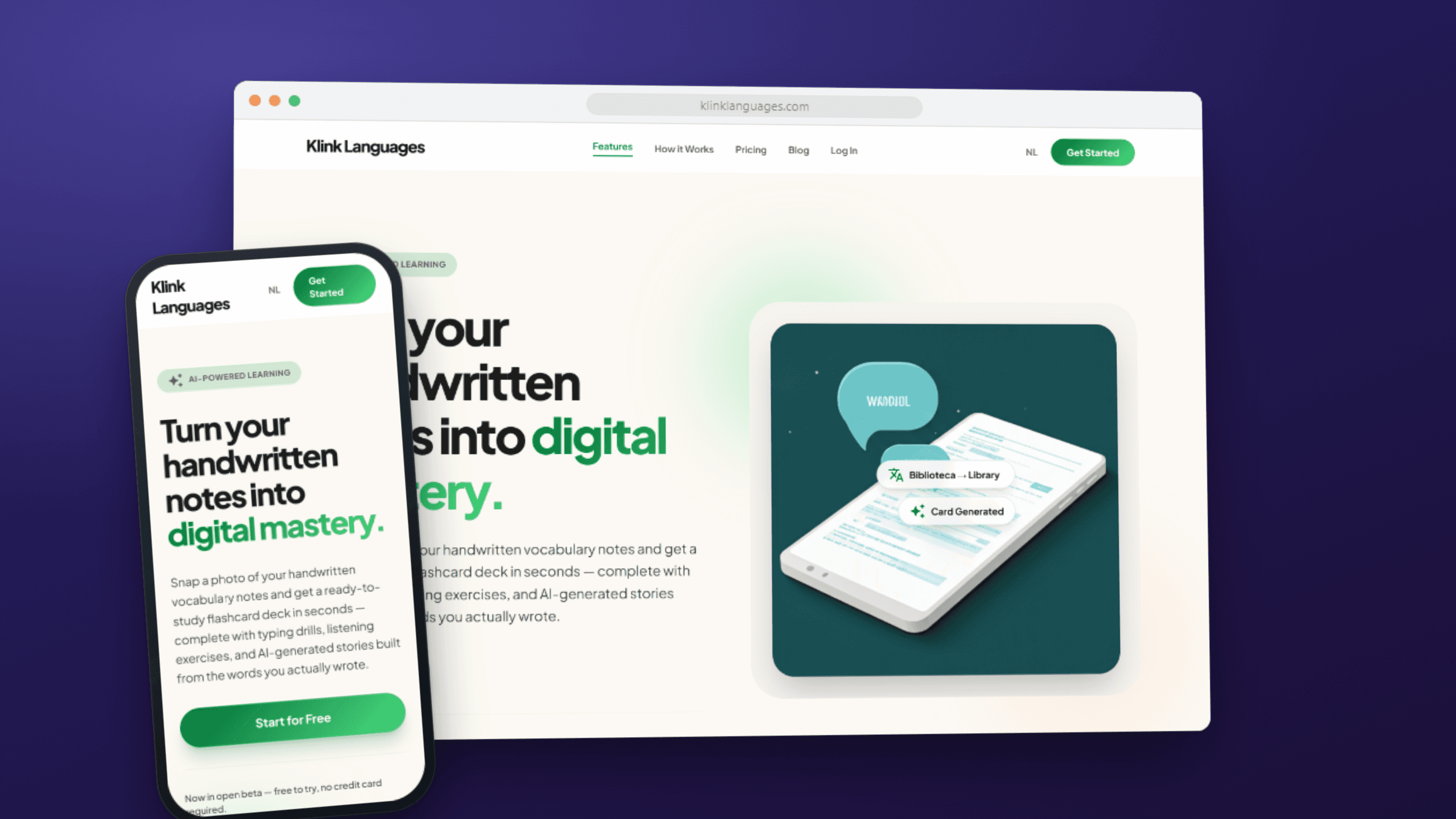
Klink Languages
Klink Languages is a language-learning app that scans vocabulary lists from photos or PDFs and turns them into practice flashcards, reading stories and listening material.
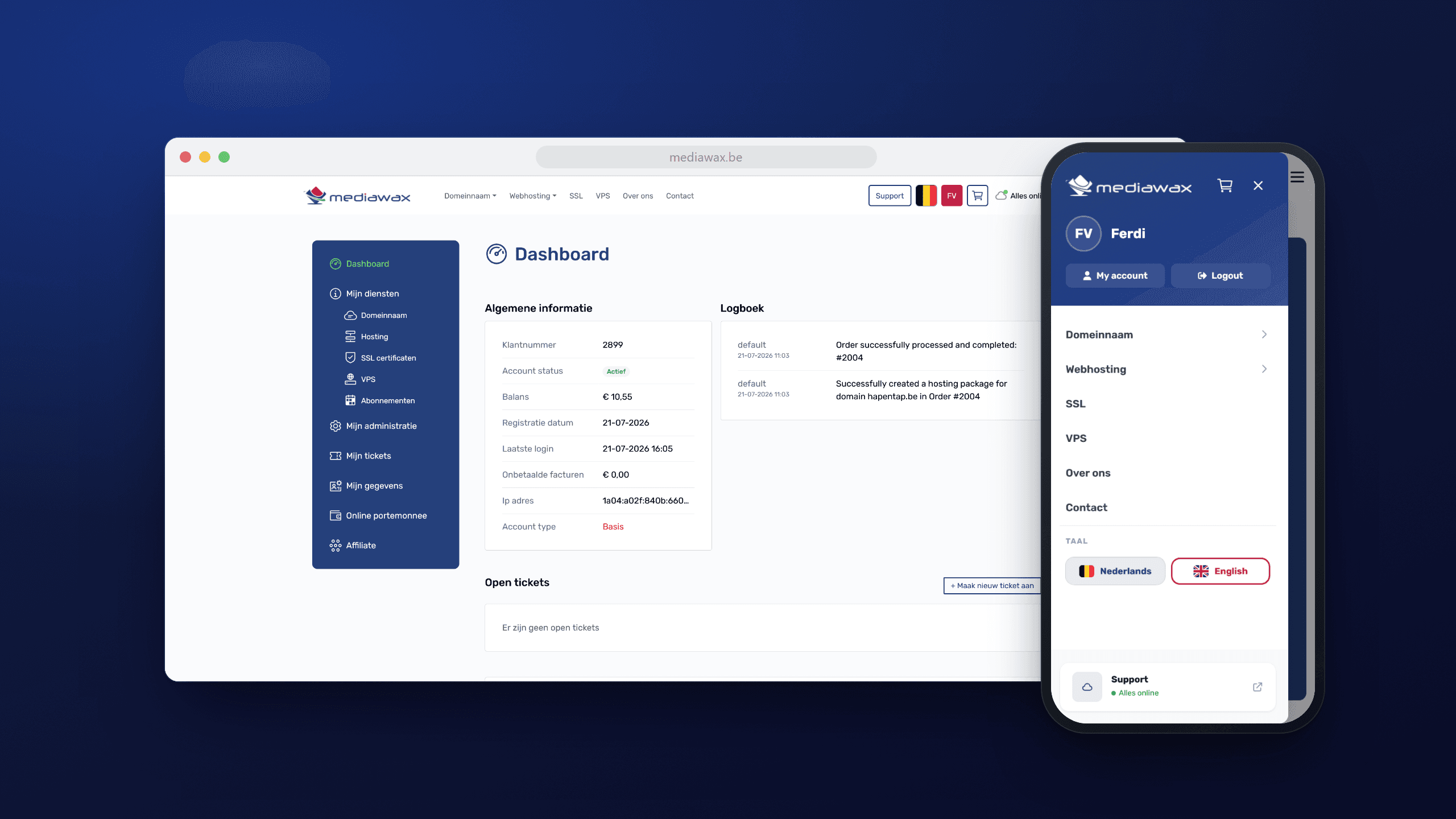
Mediawax
For Mediawax, a hosting provider and domain registrar, I rebuilt the entire platform in Laravel, including an extensive customer control panel for hosting, domains, VPS and SSL certificates.
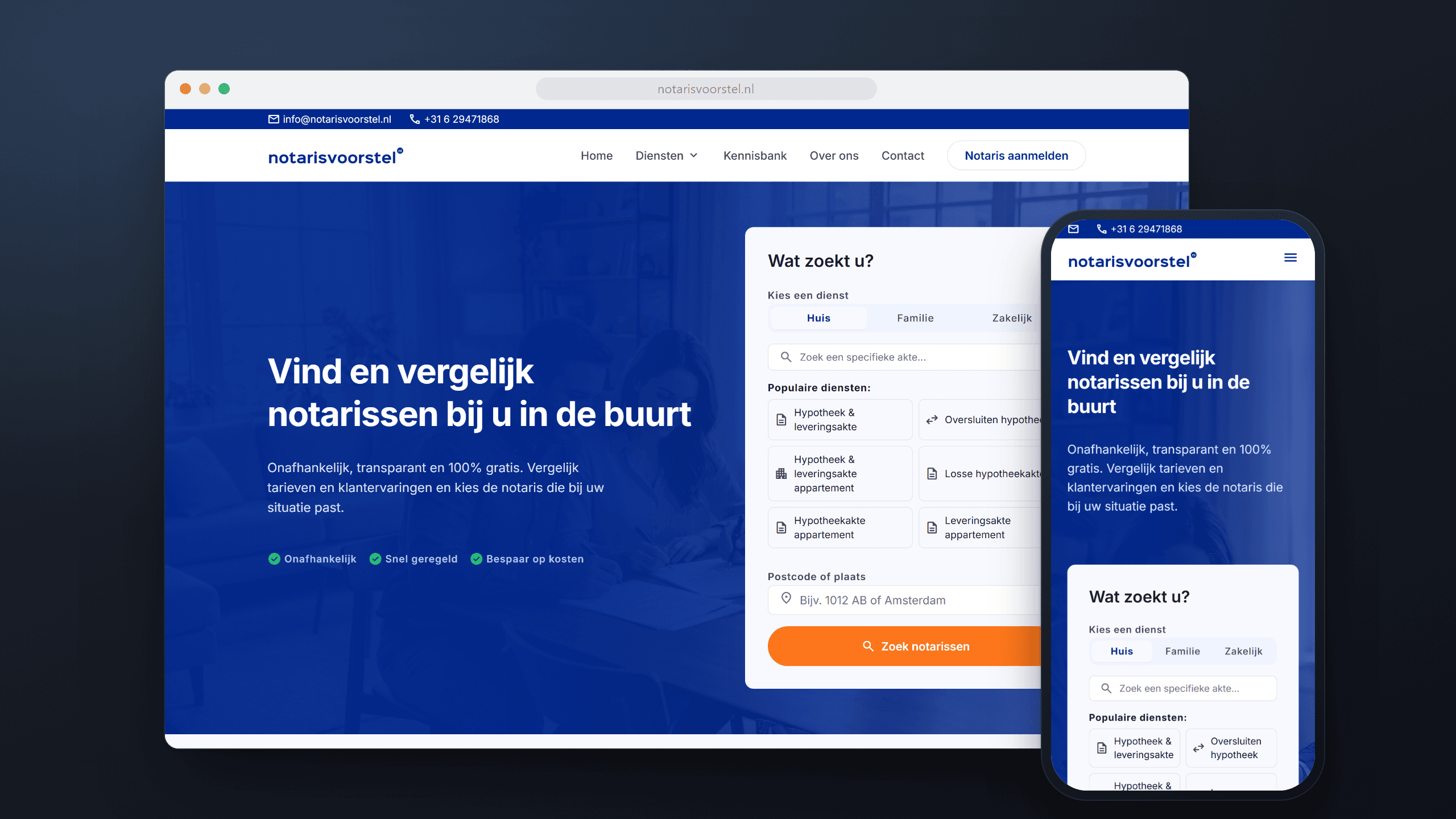
NotarisVoorstel
NotarisVoorstel is a platform that connects home buyers and individuals with notary offices near them, with direct quote requests, reviews, and a management environment for the offices themselves.
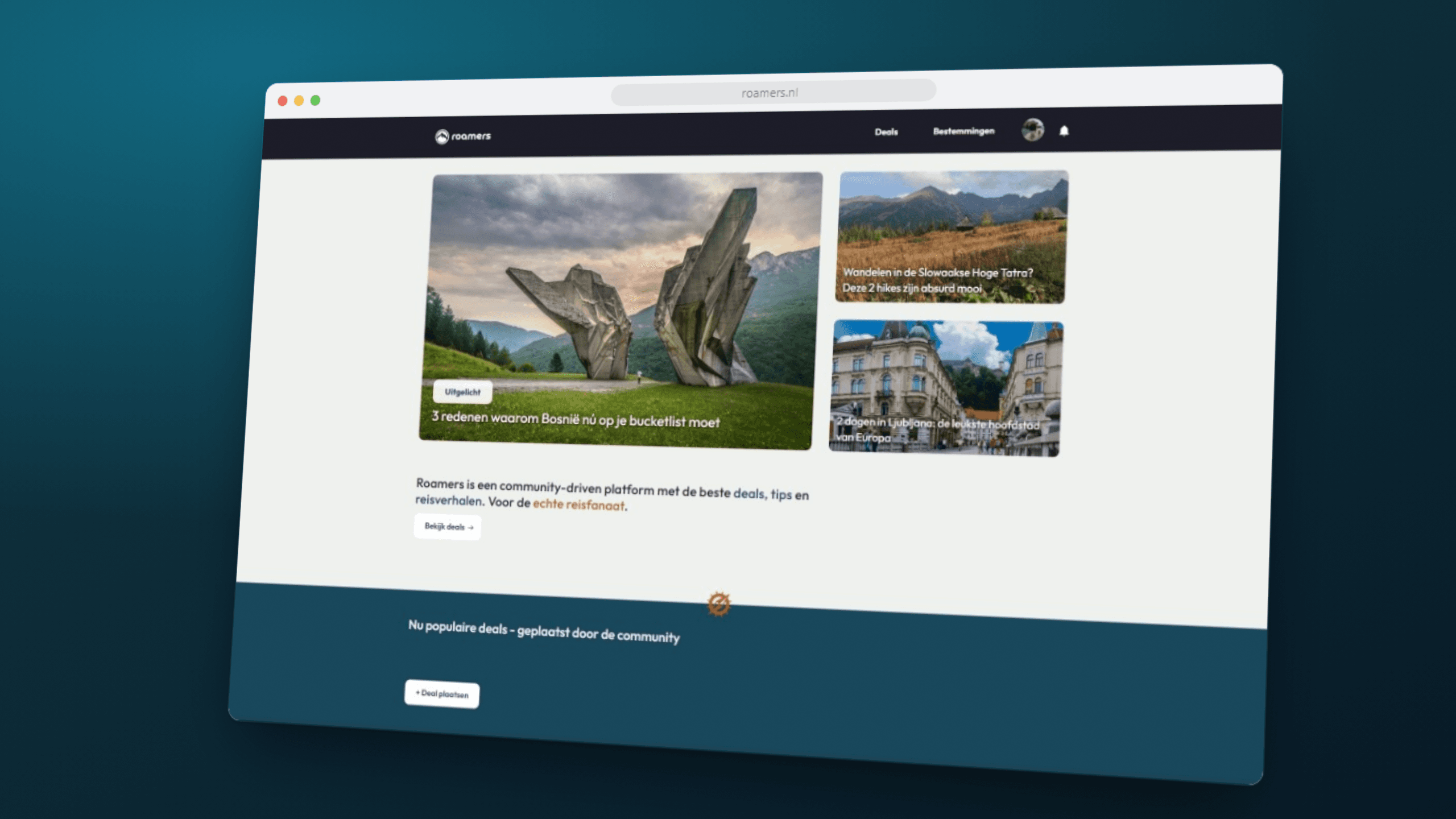
Roamers
Roamers is a Dutch-language travel platform with destination pages, travel blog posts, and a deals section where users can submit their own travel offers.
Frequently asked questions
Good Questions
Setting expectations before we start, with a real process and honest answers.
As soon as the interactivity mainly consists of forms, tables, filters and dashboards that talk to the database. For an application that needs to work as a standalone mobile app or offline-first experience, an SPA or native app is often more logical.
With proper caching and wire:loading states, barely noticeable for most business applications. For interfaces that require extremely heavy real-time client-side computation, an SPA can sometimes be the better choice.
Yes, usually in phases per module, so the application remains usable in the meantime and risk stays limited.
Contact
Say Hello
Got a project in mind? Tell me a bit about it and I'll get back to you within a day.